What Does a Retired LEGO® Set Really Mean?
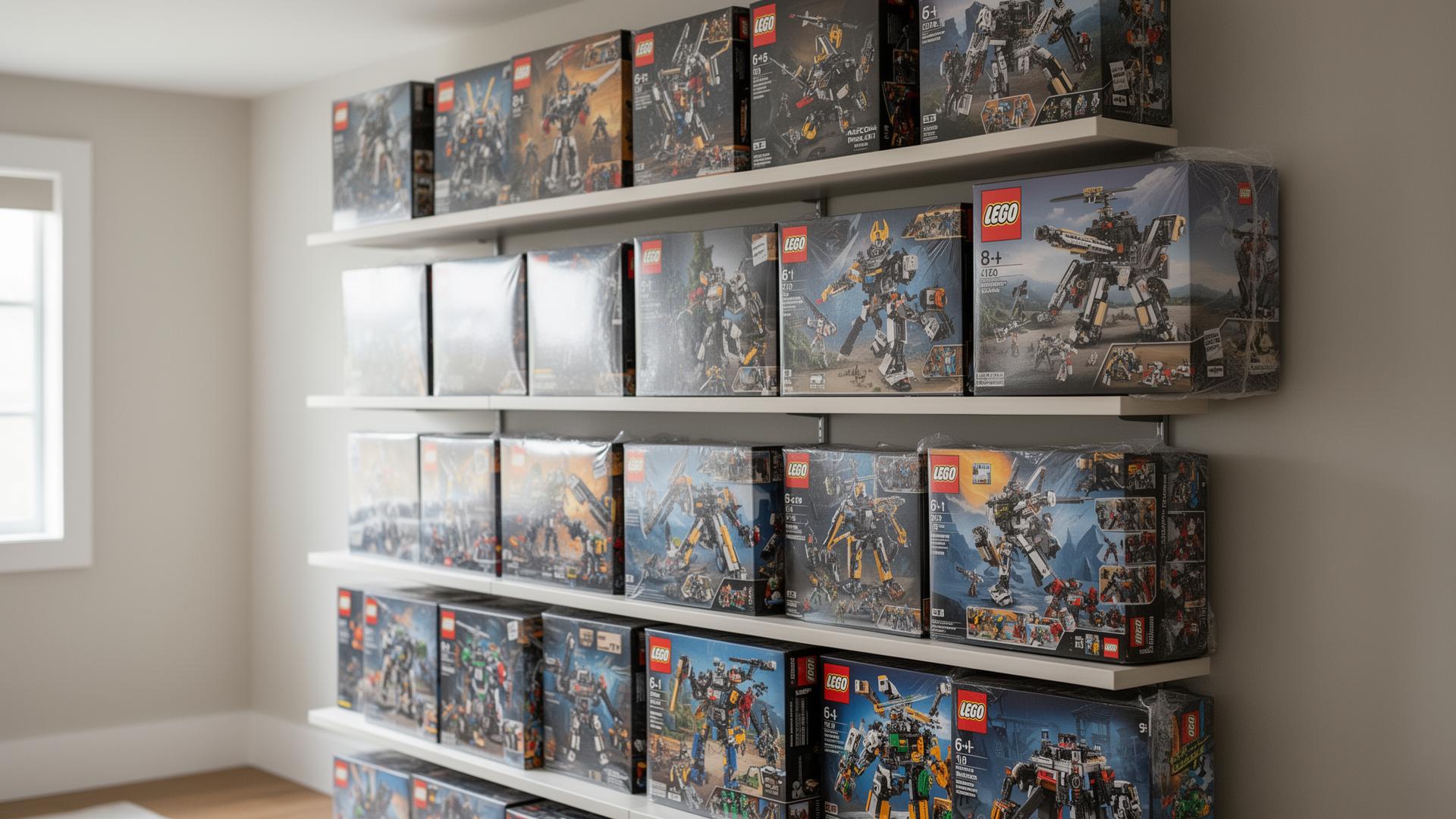
Short answer: a retired LEGO® set is one that LEGO® has officially discontinued and stopped producing. It will not be made again in its original form, and once retailer stock runs out it is only available on the secondary market. You can browse the factory-sealed retired sets available.
In the LEGO® world, the term retired set is used constantly — but it is often misunderstood. For collectors, understanding what "retired" really means is essential, as it directly affects availability, collectability, and long-term relevance.
This article explains what defines a retired LEGO® set, how retirement works, and why these sets form the foundation of serious LEGO® collecting.
What Is a Retired LEGO® Set?
A LEGO® set is considered retired when it is officially discontinued by LEGO® and no longer produced. Once retired, the set is permanently removed from LEGO®'s active catalogue and will never be manufactured again in its original form.
This is not the same as a set being:
- • temporarily out of stock
- • unavailable in a specific region
- • replaced by a newer or similar model
A retired LEGO® set has reached the end of its production lifecycle. From that moment on, no new copies enter the market.
How Does LEGO® Decide When a Set Is Retired?
LEGO® does not publicly announce exact retirement dates far in advance, but most sets follow a predictable pattern.
In general:
- • Standard retail sets remain available for 1–2 years
- • Larger or premium sets may stay longer
- • Licensed themes (such as Marvel, Star Wars™, or DC) often retire sooner due to licensing agreements
Once production stops, remaining stock is sold through retailers until it is exhausted. After that, the set becomes available only through secondary markets.
Retired vs. Discontinued: Is There a Difference?
The terms retired and discontinued are often used interchangeably, but among collectors there is a subtle distinction.
- • Discontinued refers to the moment LEGO® stops producing the set
- • Retired describes the set's long-term status once it has fully left the catalogue
For collectors, both terms point to the same reality: the set is no longer available new from LEGO® itself.
Why Retired LEGO® Sets Matter to Collectors
Once a set is retired, its role changes.
It is no longer just a product — it becomes a finite object. Supply can only decrease over time, while demand often remains stable or grows, especially for sets tied to popular themes or iconic designs.
Retired sets are also tied to a specific era of LEGO® design. They reflect the aesthetics, building techniques, and creative direction of their time. This gives them historical and contextual value that current sets cannot replicate.
For many collectors, retired LEGO® sets are appealing precisely because they cannot be replaced.
If you are looking to explore retired LEGO® sets that are no longer in production, you can browse our current selection of factory-sealed sets.
The Importance of Condition After Retirement
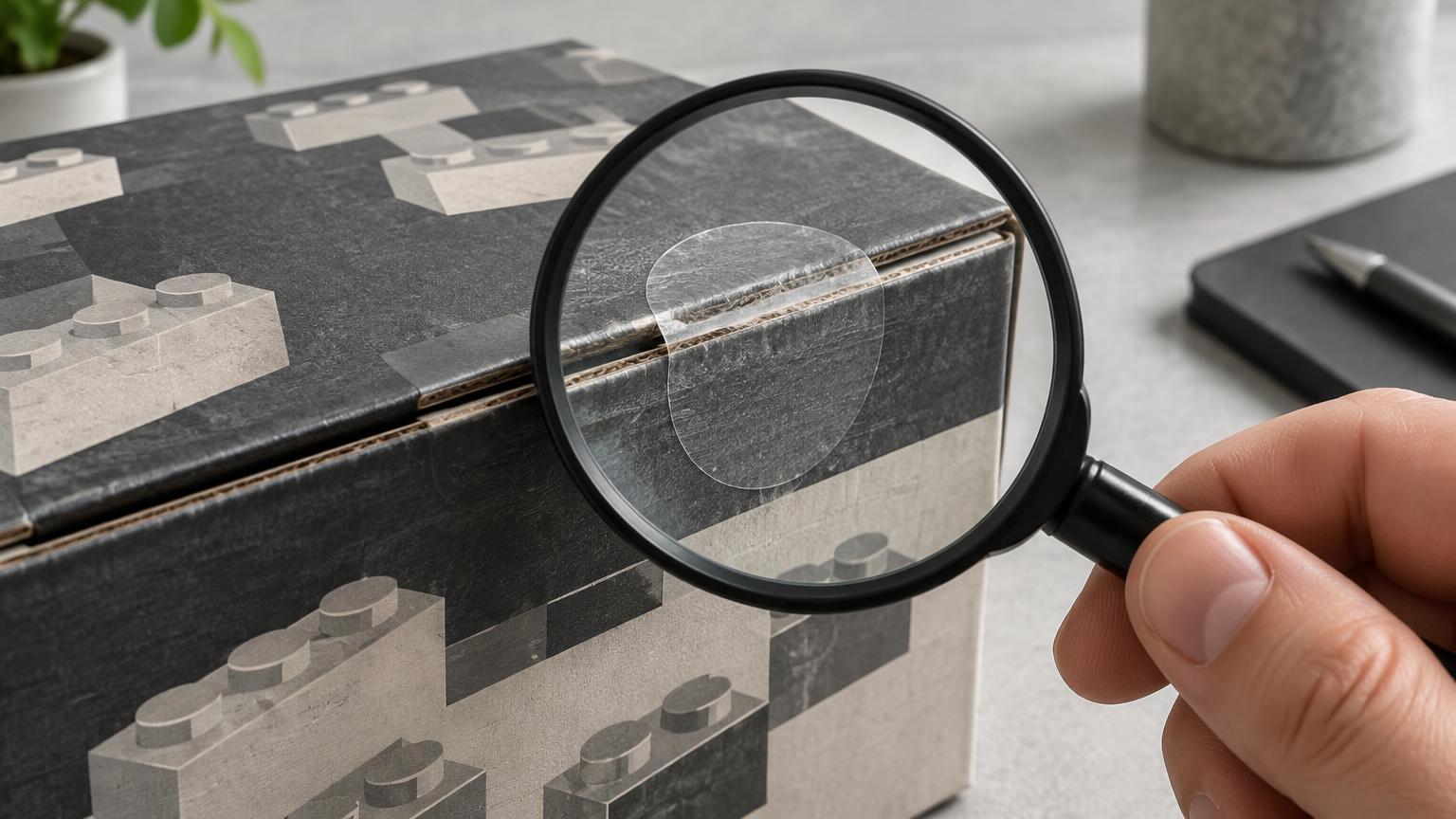
As time passes, fewer retired sets remain in factory-sealed condition. Boxes are opened, damaged, or discarded, and complete untouched examples become increasingly rare.
For collectors, condition matters because:
- • A factory-sealed set preserves originality
- • Box condition affects display value
- • Untouched sets represent the set exactly as it was released
This is why many collectors prioritise sealed retired sets over opened or rebuilt ones. The condition becomes part of the collectible itself.
Are Retired LEGO® Sets Meant to Be Built?
There is no single correct approach.
Some collectors choose to:
- • open and build a retired set once
- • enjoy the experience
- • store or display it afterwards
Others prefer to:
- • keep the set sealed
- • display it as a complete collectible
- • preserve its original state
Both approaches are valid. What matters is understanding that once a set is retired, any decision is permanent.
Why Retired Sets Are Central to The Brick Reserve
The Brick Reserve focuses exclusively on retired LEGO® sets because they represent permanence rather than rotation.
Each set is selected with long-term collectability in mind, prioritising:
- • discontinued status
- • factory-sealed condition
- • careful storage and presentation
This approach reflects a collector's mindset rather than a retail one.
Final Thoughts
A retired LEGO® set is more than a set that is no longer sold. It is a fixed piece of LEGO® history, defined by its era, design, and availability.
For collectors, understanding what "retired" truly means is the first step toward building a thoughtful and meaningful LEGO® collection. Understanding what makes a LEGO® set retired is often the first step before starting a LEGO® collection as an adult.