Are Retired LEGO® Sets a Good Investment for Collectors?
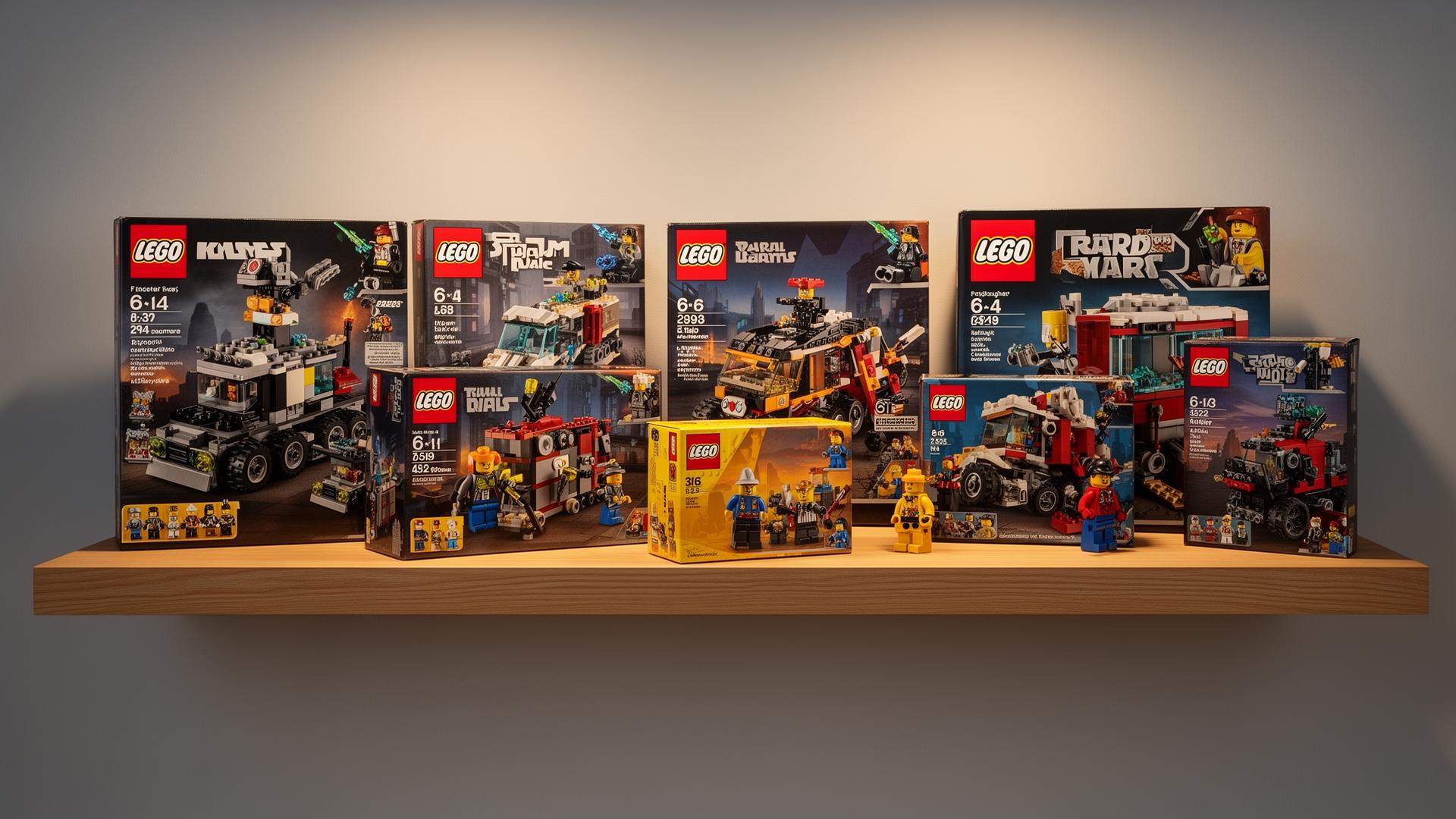
For many collectors, retired LEGO® sets sit at the intersection of passion and value. While LEGO® is not a traditional investment asset, certain retired sets have demonstrated consistent long-term appreciation.
This article explores whether retired LEGO® sets can be considered a sound investment, what factors influence value growth, and how collectors should approach the subject realistically.
Why Retired LEGO® Sets Gain Value
Once a LEGO® set is retired, supply becomes fixed. No new units are produced, and availability gradually decreases as sets are opened or damaged.
Demand, however, often remains stable or increases — particularly for licensed themes, iconic vehicles, and character-driven sets. This imbalance between supply and demand is the foundation of long-term value growth.
Key Factors That Influence Investment Potential
Many of these factors overlap with why certain retired LEGO® sets become collectible in the first place.
Not all retired LEGO® sets appreciate equally. Several factors consistently influence performance:
- • Theme popularity and licensing
- • Cultural relevance of characters or scenes
- • Original retail exclusivity
- • Set size, complexity, and display appeal
- • Condition, especially factory-sealed status
Sets tied to major franchises such as Star Wars™, Marvel, or DC often retain stronger long-term demand, especially when linked to iconic moments.
The Importance of Condition and Packaging
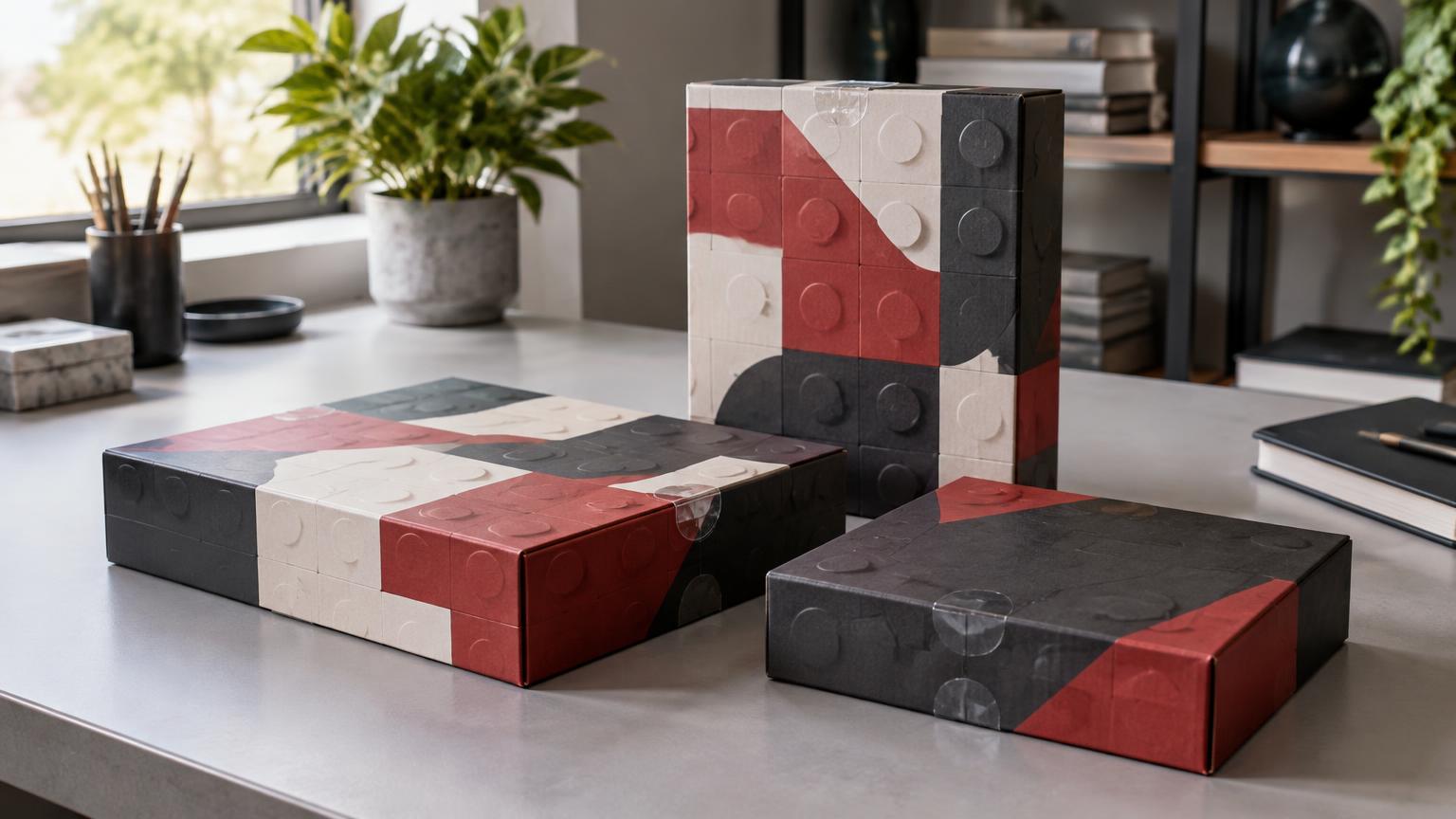
Condition is critical in collector valuation. Factory-sealed sets with clean, undamaged boxes command a premium compared to opened or worn examples.
Proper storage and preservation play a central role in maintaining condition over long periods of time.
Even minor box wear can significantly affect resale value. For collectors treating LEGO® as a long-term hold, proper storage and handling are as important as the set itself.
LEGO® Collecting vs. Traditional Investing
Retired LEGO® sets should not be viewed as a replacement for traditional investments. Liquidity is lower, time horizons are longer, and pricing can fluctuate based on market trends.
However, for collectors already engaged with the hobby, value appreciation can be a meaningful secondary benefit rather than the primary motivation.
Risks and Common Misconceptions
Not every retired set will increase in value. Some remain flat or decline depending on demand shifts or oversupply in secondary markets.
Speculation-driven purchases, short-term flipping, and ignoring condition risks often lead to disappointment. Successful collector-investors tend to focus on long-term ownership and careful curation.
A Collector-First Approach
The most sustainable approach treats retired LEGO® sets as collectible objects first and investment assets second.
Collectors who buy sets they genuinely appreciate are more likely to maintain them properly and hold them long enough for value growth to materialize naturally.
Conclusion
Retired LEGO® sets can hold long-term value, but only when approached with patience, knowledge, and realistic expectations.
For collectors, the strongest returns often come from thoughtful selection, careful preservation, and a genuine appreciation for the sets themselves — not speculation alone.