How to Store Retired LEGO® Sets to Preserve Long-Term Value
For collectors, acquiring a retired LEGO® set is only the first step. How that set is stored over time plays a critical role in preserving both its physical condition and long-term value.
After a set is retired, replacement is no longer possible, making preservation decisions especially important.
Improper storage can lead to box damage, discoloration, and gradual deterioration — issues that cannot be reversed once they occur. This guide explains how collectors can store retired LEGO® sets correctly, especially factory-sealed ones, to maintain their condition for years to come.
Why Storage Matters for Retired LEGO® Sets
Once a LEGO® set is retired, replacement becomes impossible. Any damage sustained after retirement permanently affects the set's condition and desirability.
For sealed sets, storage is particularly important because:
- • box condition is part of the collectible
- • factory seals can degrade under poor conditions
- • visual presentation affects display value
Collectors who prioritise storage are not being overly cautious — they are preserving originality.
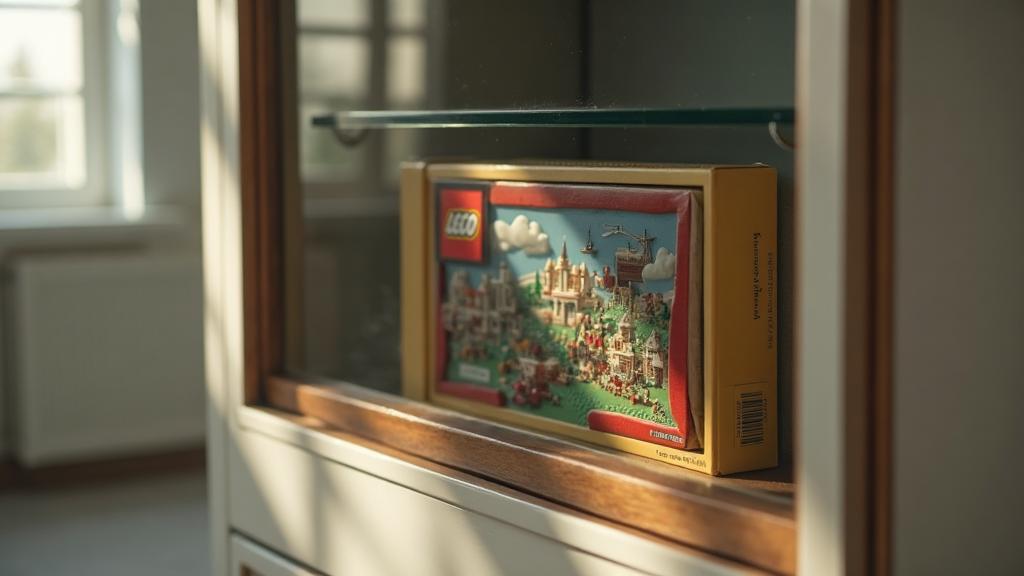
Keep Sets Away from Light Exposure
Direct sunlight and prolonged exposure to strong artificial light can cause:
- • box discoloration
- • fading of printed artwork
- • uneven ageing across surfaces
Retired LEGO® sets should always be stored:
- • away from windows
- • in shaded or enclosed spaces
- • with consistent, indirect lighting if displayed
Light damage is gradual but irreversible.
Control Temperature and Humidity
Stable environmental conditions are essential for long-term storage.
Ideally:
- • temperature should remain consistent year-round
- • humidity should be kept low to moderate
- • extreme heat or cold should be avoided
High humidity can weaken cardboard and adhesives, while excessive dryness may cause warping. Sudden changes in temperature are particularly harmful.
Protect Boxes from Pressure and Stacking Damage
Stacking boxes incorrectly is one of the most common causes of long-term damage.
To minimise risk:
- • avoid stacking heavy sets on lighter ones
- • store boxes upright when possible
- • use shelving that supports even weight distribution
Factory-sealed sets should never be compressed, as this can deform packaging and compromise seals.
Use Protective Outer Packaging When Needed
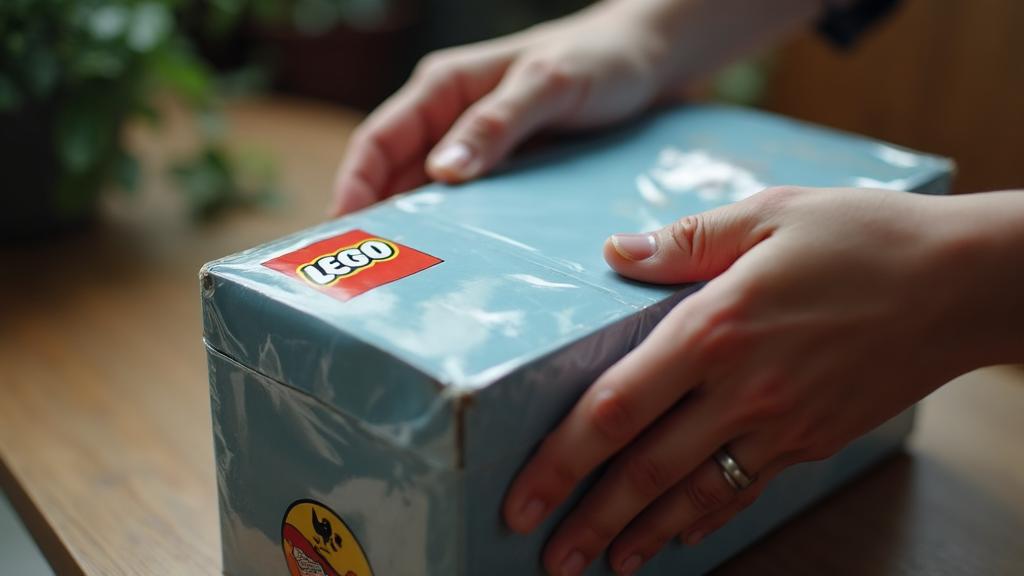
Many collectors choose to add an extra layer of protection without opening the set.
Common solutions include:
- • clear protective sleeves
- • archival-quality plastic covers
- • acid-free storage boxes
These methods help protect against dust, friction, and accidental damage while preserving the original sealed condition.
Storage decisions are closely connected to how sets are eventually displayed in a collector's space.
Display vs. Storage: Finding the Right Balance
Some collectors prefer to display retired LEGO® sets, while others store them away entirely.
Both approaches are valid, but display should always prioritise:
- • environmental stability
- • minimal handling
- • protection from light and dust
If conditions cannot be controlled reliably, long-term storage may be the safer option.
Long-Term Mindset: Preservation Over Convenience
Storing retired LEGO® sets correctly requires patience and intention. Unlike active retail products, these sets are no longer replaceable.
A preservation-focused mindset ensures that:
- • condition remains consistent over time
- • display value is maintained
- • the set retains its historical and collectible significance
For collectors, careful storage is not an afterthought — it is part of the collection itself.
Conclusion
Proper storage is essential to preserving the long-term value of retired LEGO® sets. By controlling light exposure, temperature, humidity, and physical pressure, collectors can ensure their sets remain as close as possible to their original condition.
For factory-sealed sets in particular, storage decisions today determine collectability tomorrow.
If you are looking for sets worth preserving, you can see the factory-sealed retired sets currently available.