How to Display Retired LEGO® Sets Without Reducing Their Value
For collectors, displaying a retired LEGO® set is about balance.
A well-chosen display enhances appreciation and visibility, but poor display choices can quietly reduce long-term value — especially for factory-sealed sets.
Display considerations change significantly once LEGO® sets are no longer in production.
This guide explains how to display retired LEGO® sets in a way that respects their collectible status, preserves condition, and integrates naturally into an adult living space.
Why Display Choices Matter for Collectors
Once a LEGO® set is retired, its value becomes closely tied to condition and presentation. Display decisions influence not only how a set is perceived but also how well it is preserved over time.
Exposure to light, dust, pressure, and unstable environments can gradually impact packaging and materials. For collectors, display is not simply aesthetic — it is part of long-term preservation.
Displaying Factory-Sealed vs. Open Sets
Factory-sealed sets and opened sets require different display approaches.
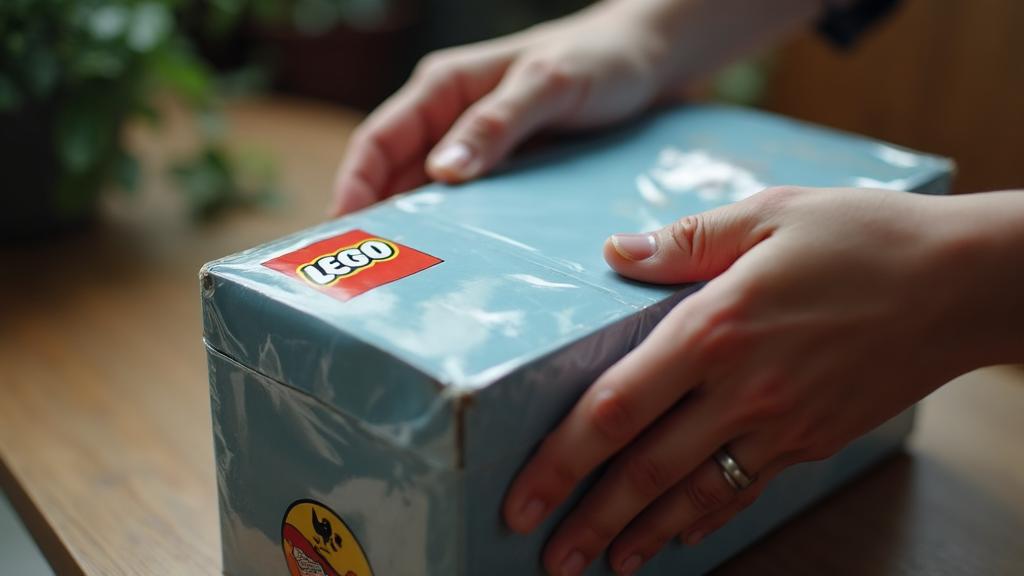
Factory-sealed sets should prioritize box condition above all else. Protective sleeves, adequate spacing, and stable support are essential to avoid wear or deformation.
Opened sets allow more flexibility, but thoughtful composition and a controlled environment remain important. Mixing display standards between sealed and open sets can compromise consistency and value perception.
Light, Dust, and Environmental Factors
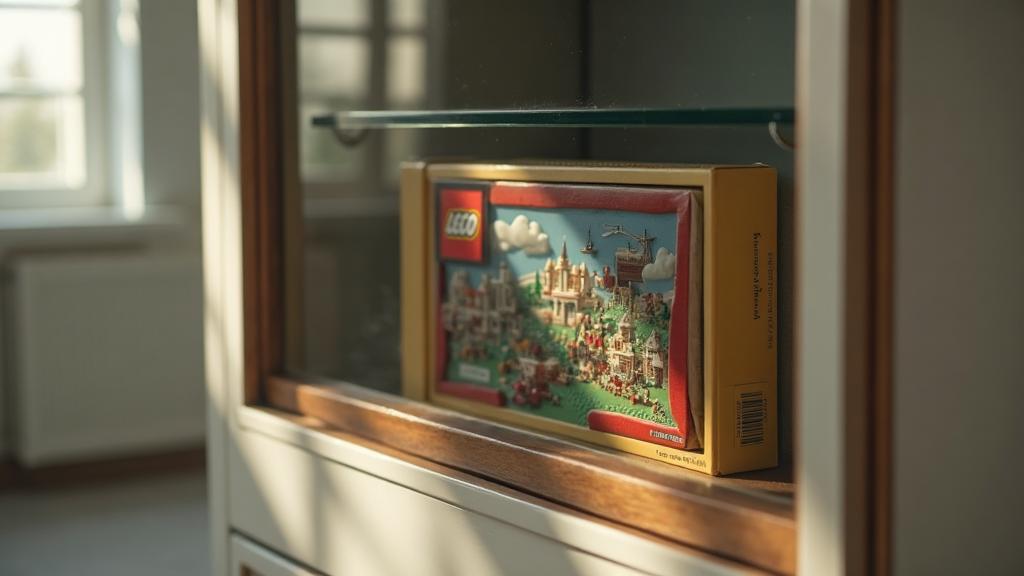
Light exposure is one of the most common risks to displayed sets. Indirect natural light is preferable, while direct sunlight should be avoided entirely.
Dust accumulation can slowly affect both boxes and displayed builds. Regular cleaning and enclosed display options help reduce long-term exposure.
Humidity and temperature fluctuations are often overlooked but can have lasting effects. Stable, dry environments are ideal for preserving both sealed and open sets.
Shelving, Cabinets, and Protective Solutions
Open shelving offers visibility but increases exposure. Glass cabinets or enclosed shelves provide better protection while maintaining display quality.
Proper storage conditions remain essential even when sets are placed on display.
Protective sleeves should be used even when sets are on display, especially for factory-sealed boxes. Shelving materials should be neutral and supportive, avoiding pressure points that may stress packaging over time.
Integrating LEGO® Into an Adult Interior
Displaying LEGO® sets in an adult space works best when restraint is applied. Fewer sets, properly spaced, allow each piece to stand out without overwhelming the environment.
Neutral surroundings, balanced compositions, and minimal visual clutter help present LEGO® sets as collectible objects rather than decorative toys.
When Not to Display a Set
Some retired sets are better kept in storage rather than on display. Particularly rare, fragile, or high-value sets may benefit from controlled storage conditions.
In environments with unstable lighting, humidity, or limited space, rotating display periods or storing sets safely may offer better long-term preservation.
Conclusion
Displaying retired LEGO® sets is not about visibility alone — it is about intention.
For collectors, the best display choices protect condition, communicate value quietly, and allow appreciation without compromise. When approached thoughtfully, display becomes an extension of preservation rather than a risk to it.
If you are looking for a set to display, you can see the factory-sealed retired sets currently available.