Why Retired LEGO® Sets Become Collectibles
Not every LEGO® set is destined to become a collectible. While millions of sets are produced every year, only a small percentage gain long-term value and relevance once they leave production.
For collectors, understanding why certain retired LEGO® sets become sought after is just as important as knowing which sets to collect. Rarity alone is not enough — true collectibility is shaped by a combination of timing, design, theme, and emotional connection.
This article explores the key factors that turn retired LEGO® sets into genuine collector pieces.
Retirement Is Only the Beginning
Once a LEGO® set is retired, its role shifts from retail product to finite collectible.
When a LEGO® set is retired, production stops permanently. No new copies are made, and LEGO® officially removes the set from its active catalogue.
At that moment, supply becomes fixed.
However, retirement alone does not guarantee collectibility. Many retired sets remain relatively common for years, while others quickly rise in demand. What happens after retirement is what truly matters.
Limited Supply and Sealed Condition
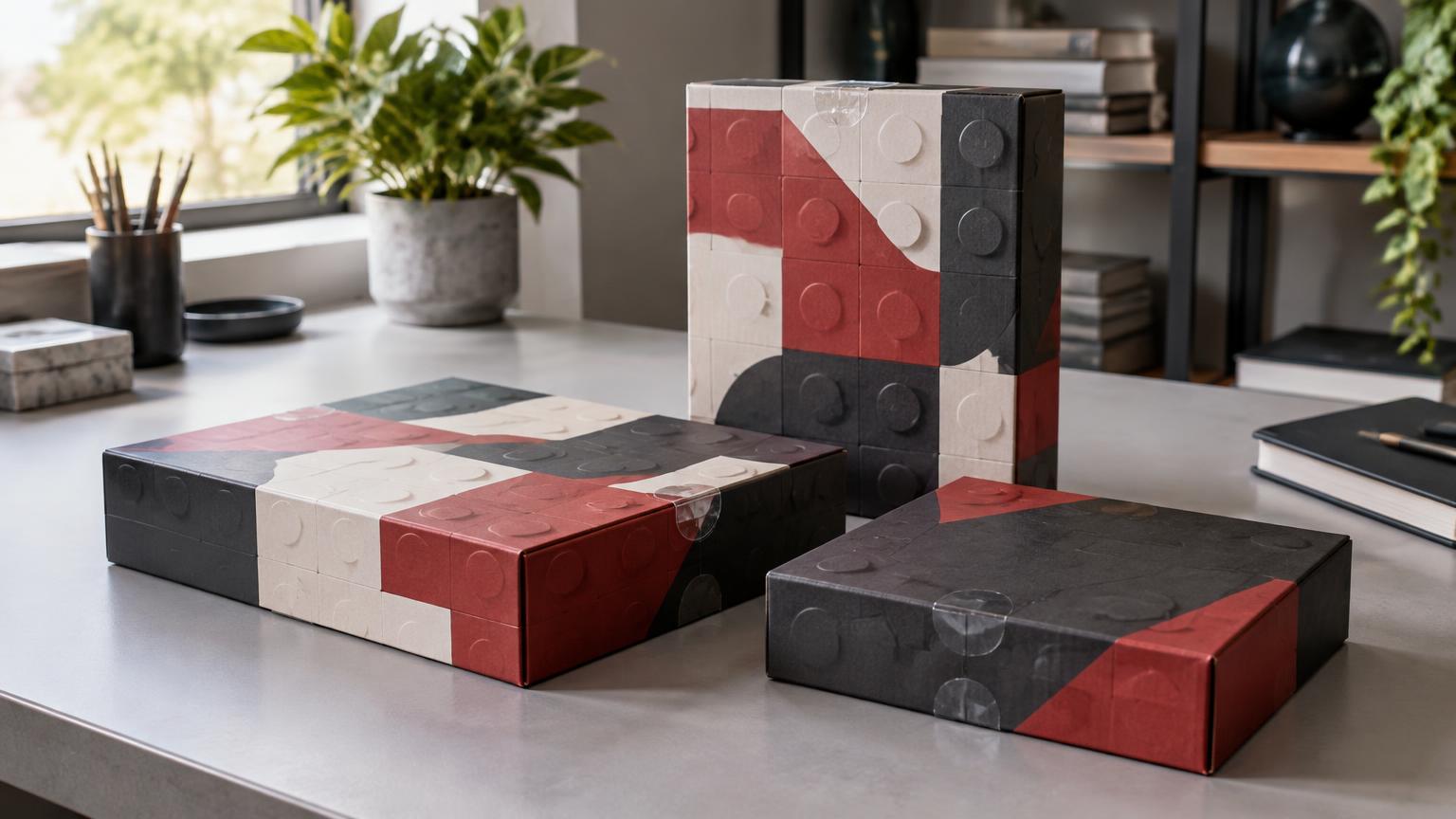
Collector demand focuses heavily on factory-sealed sets. As time passes, sealed copies naturally become scarcer due to:
- • sets being opened for building
- • box damage or incomplete storage
- • long-term deterioration of packaging
This gradual reduction in pristine examples increases scarcity — especially for sets that were not mass-produced or had short retail lifespans.
For collectors, condition is often as important as the set itself.
Iconic Themes and Licensed Universes
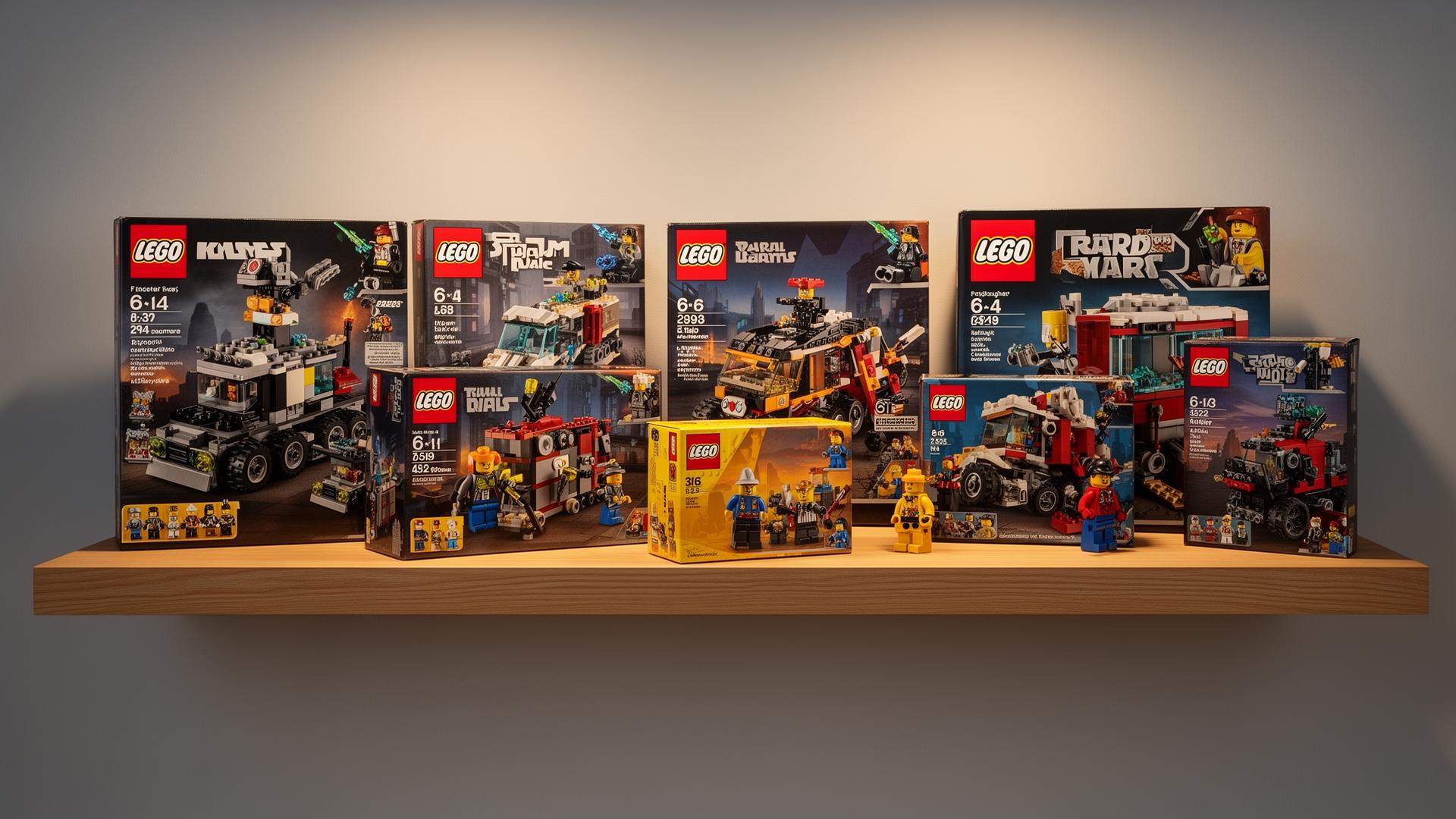
Licensed LEGO® themes such as Star Wars™, Marvel, DC, and other pop-culture franchises tend to produce highly collectible retired sets.
These sets benefit from:
- • strong fan bases beyond LEGO® collectors
- • emotional attachment to characters and stories
- • limited licensing periods that prevent reissues
Once licensing agreements end or evolve, original sets often become irreplaceable representations of a specific era.
Design, Display Value, and Minifigures
Certain retired LEGO® sets stand out due to:
- • unique or experimental build designs
- • display-oriented compositions
- • exclusive or character-defining minifigures
Sets that balance visual presence with play or modularity often age better as collectibles, as they appeal both to builders and display-focused collectors.
Minifigure exclusivity, in particular, can dramatically influence long-term desirability.
Cultural Timing and Nostalgia
Collectibility is also shaped by timing.
Sets associated with:
- • landmark films
- • major story arcs
- • transitional periods in LEGO® design
often gain relevance as nostalgia develops.
As collectors grow older, they seek sets that represent meaningful moments from their past — turning certain retired sets into emotional artifacts, not just products.
Why Collectors Focus on Curated Selections
Because not all retired sets become collectibles, experienced collectors often prefer curated selections rather than attempting to collect everything.
A curated approach emphasizes:
- • factory-sealed condition
- • recognizable themes
- • historical relevance
- • long-term display appeal
This mindset treats LEGO® collecting less as accumulation, and more as preservation.
These factors also influence long-term value considerations for collectors who view LEGO® sets beyond enjoyment alone.
Conclusion
Retired LEGO® sets become collectibles when scarcity, design, theme, and emotional value intersect.
For collectors, the goal is not simply to own retired sets, but to identify those with lasting relevance and meaning. Understanding these factors transforms LEGO® collecting from a casual hobby into a thoughtful, long-term pursuit rooted in appreciation and intent.